
 By: Marek Bučko
The first tour I ever led, back in 2009, had 43 people and a full-size coach driven by a man named Jozef who smoked at every stop. I was young and I thought a full bus meant I was doing well. I still remember a morning in Bruges when we stood outside the hotel for 35 minutes waiting for two gentlemen who had set their alarm wrong, and we reached the belfry an hour late, by which point the queue was 90 minutes long.
We shrank after that. First to 30, then to 22, and since 2016 we cap every departure at 16. This is not a philosophy or a brand promise. It is a number that fell out of a spreadsheet the day I finally sat down and counted what actually happens inside a group.
Minibus versus coach, the actual numbers
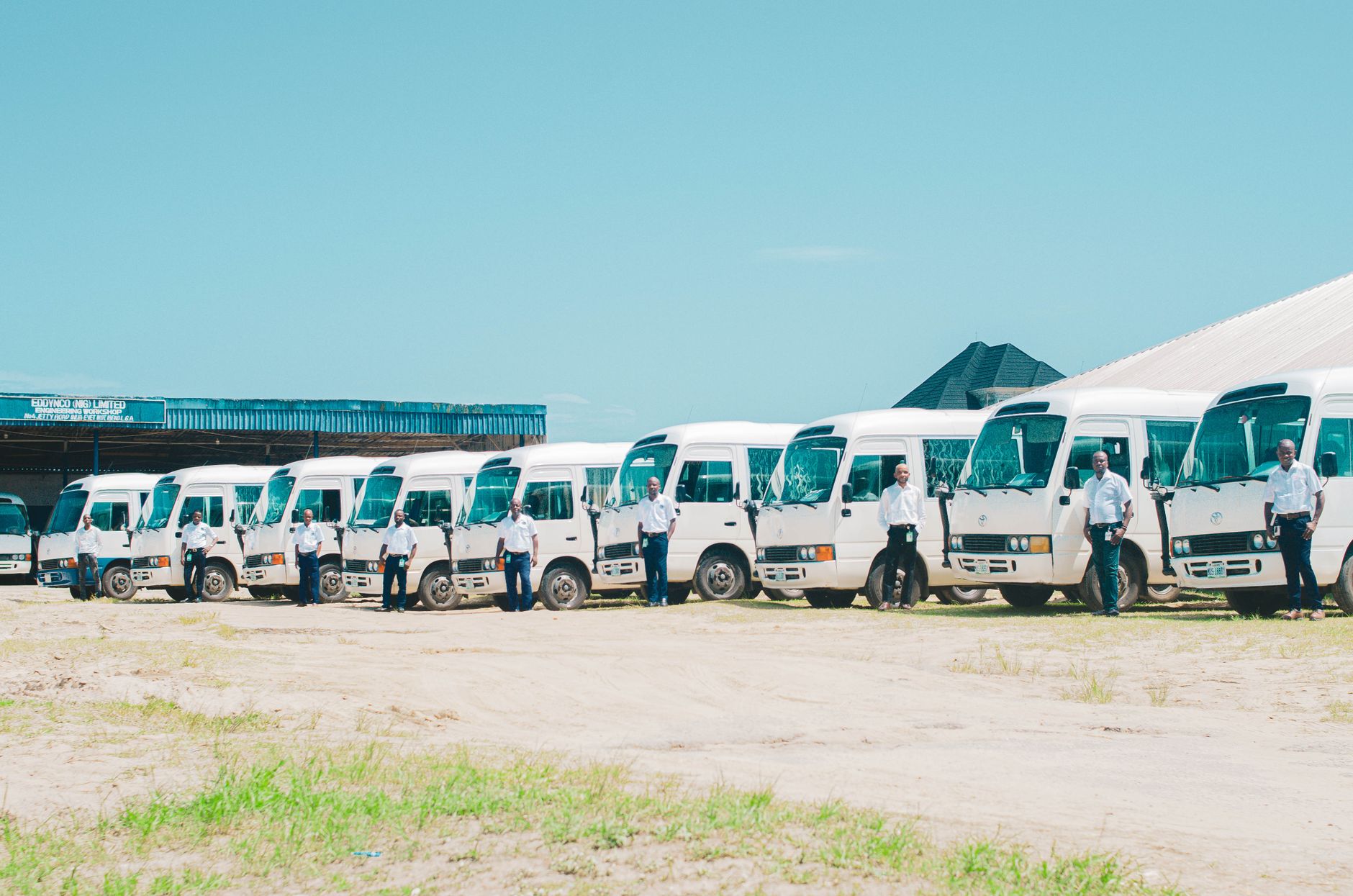
A 19-seat Mercedes Sprinter with a driver, including his accommodation, costs us roughly 280 to 340 euros a day in Italy or Austria. A 49-seat coach runs 550 to 700 a day. The coach is more expensive on paper, but divide it by passengers: a full coach works out at about 13 euros per person per day for transport, while a minibus with fifteen paying guests lands closer to 21. That is eight euros a day, or around 64 euros over an eight-day trip. That gap is the price of everything I am about to describe.
What you get for it: the minibus parks in streets a coach is legally banned from. In Tuscany it drops you 200 metres from the square in San Gimignano rather than at the car park below the hill, a 25-minute climb away. In Croatia we took the road above Ston, closed to coaches, and stood over the salt pans with nobody else around. There is no other way to buy that.
The time nobody puts in the brochure
People do not feel this until they have lived through it. Every stop costs time, and the cost grows faster than the headcount.
- Boarding: 16 people are seated in two minutes. 40 people take seven or eight, because someone is always still in the toilet.
- Motorway break: 20 minutes is enough for 16. It is never under 35 for 40, because the service station has two cubicles and a queue.
- Lunch: a small family kitchen plates 16 mains in about 20 minutes. It takes 50 for 40, and half the room finishes while the other half waits.
- Museum entry: 16 people clear a turnstile in one go. Bigger groups get split up.
Add it up. On a normal day that is an hour and a half to two hours of pure waiting. Across eight days it is close to a full extra day of the trip you paid for and did not receive.
Restaurants, and what they will actually cook for you
Here is the part nobody says out loud. A restaurant that takes groups of forty has to be built for it: a big back room, a fixed menu, food prepped hours in advance. That is why the pasta arrives having sat in a gastronorm tray. It is not because the chef cannot cook.
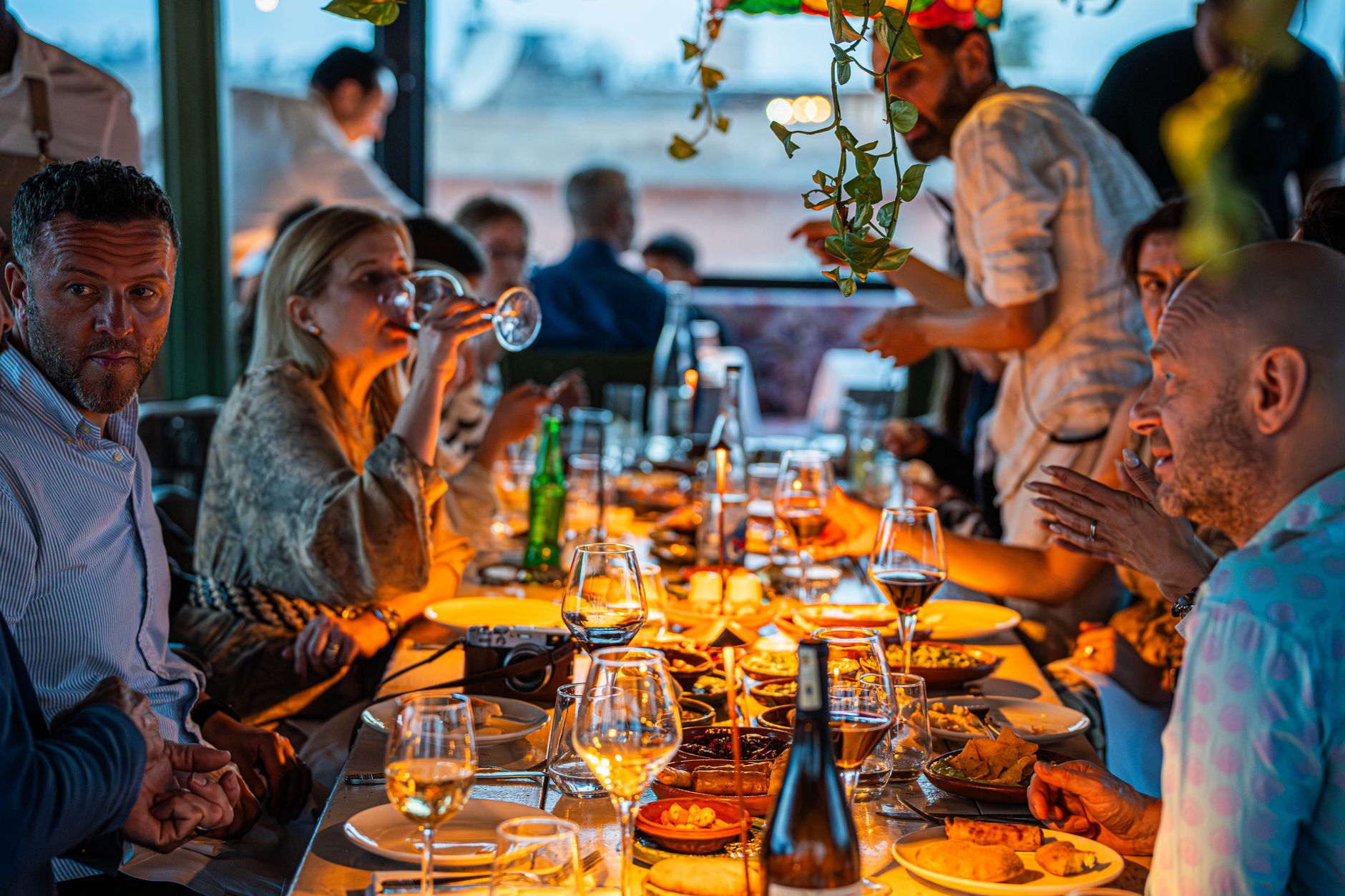
Trattoria Da Nerone near Orvieto, run by Chiara and her son, seats 18 and takes no more. I call her a week ahead, tell her our number, and she cooks whatever the market gave her that morning. Last October it was roast pigeon with porcini, four courses and house wine, 34 euros a head. You cannot arrange that with a big group. They simply will not let you in the door.
A small group does not automatically make a better trip. It gives the guide a chance to make one. Whether he takes it is a separate question.
Where it breaks down
I am not going to pretend 16 is the answer to everything. It has real drawbacks and it is only fair to list them.
It costs more. Fixed costs, meaning the driver, the guide, his room and his meals, are split between fewer people. Our guide costs about 120 euros a day. Across 40 people that is three euros each. Across 16 it is seven fifty. Our tours therefore run 15 to 25 percent above comparable large-group trips. If price is your first filter, we have nothing for you.
Group chemistry is fragile. In a group of forty, one difficult person disappears. In a group of sixteen, he does not. We ran an Andalusia trip in 2022 with a gentleman who reviewed every meal and every hotel out loud, and by day four everyone felt it. On a coach, three people would have walked around him. In a minibus there is nowhere to go.
Departures get cancelled. With 16 seats, selling nine means losing money. We either cancel, which is miserable for the people who booked, or we run it at a loss. We have cancelled four departures in the last three years. Those nine people would have vanished into a coach and the trip would have gone ahead.
Less room to hide. If you want to be left alone, a group of forty makes that easy. With us, everyone will have noticed you by day three.
What this means for you
If you treat a package tour mainly as transport to a place and intend to organise the rest yourself, a big group saves you money and you lose nothing. There is no sense paying extra for things you will not use.
If waiting around drives you mad, if you want the guide reachable during the day, and if you want to eat where locals eat, then the extra 60 or 80 euros has some logic behind it. Next time you call us, ask how many people are currently booked on the departure you are considering. I will tell you the real number, even when it is four and the trip is at risk. I would rather say it up front.