
 By: Tomáš Gajdoš
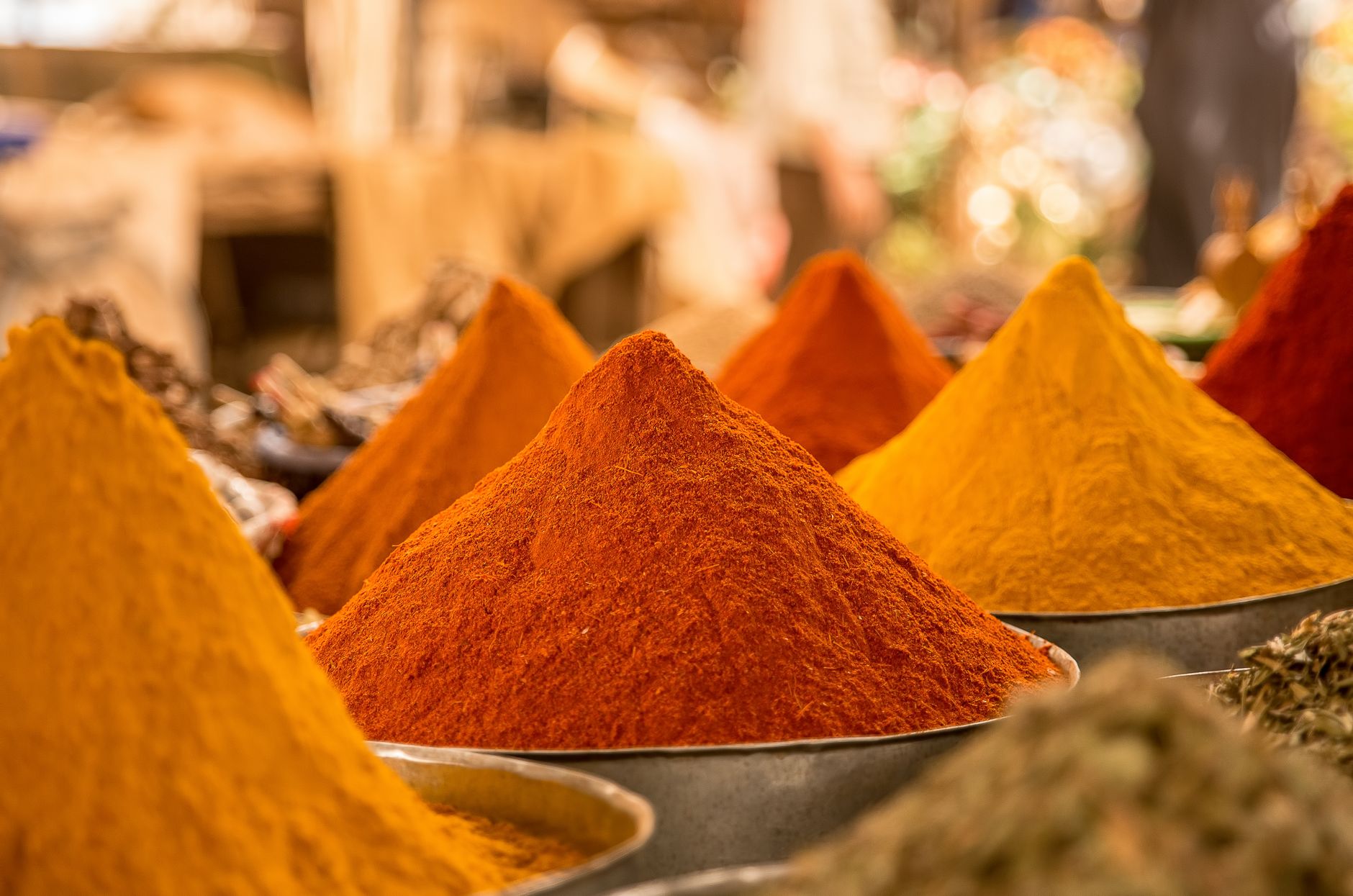
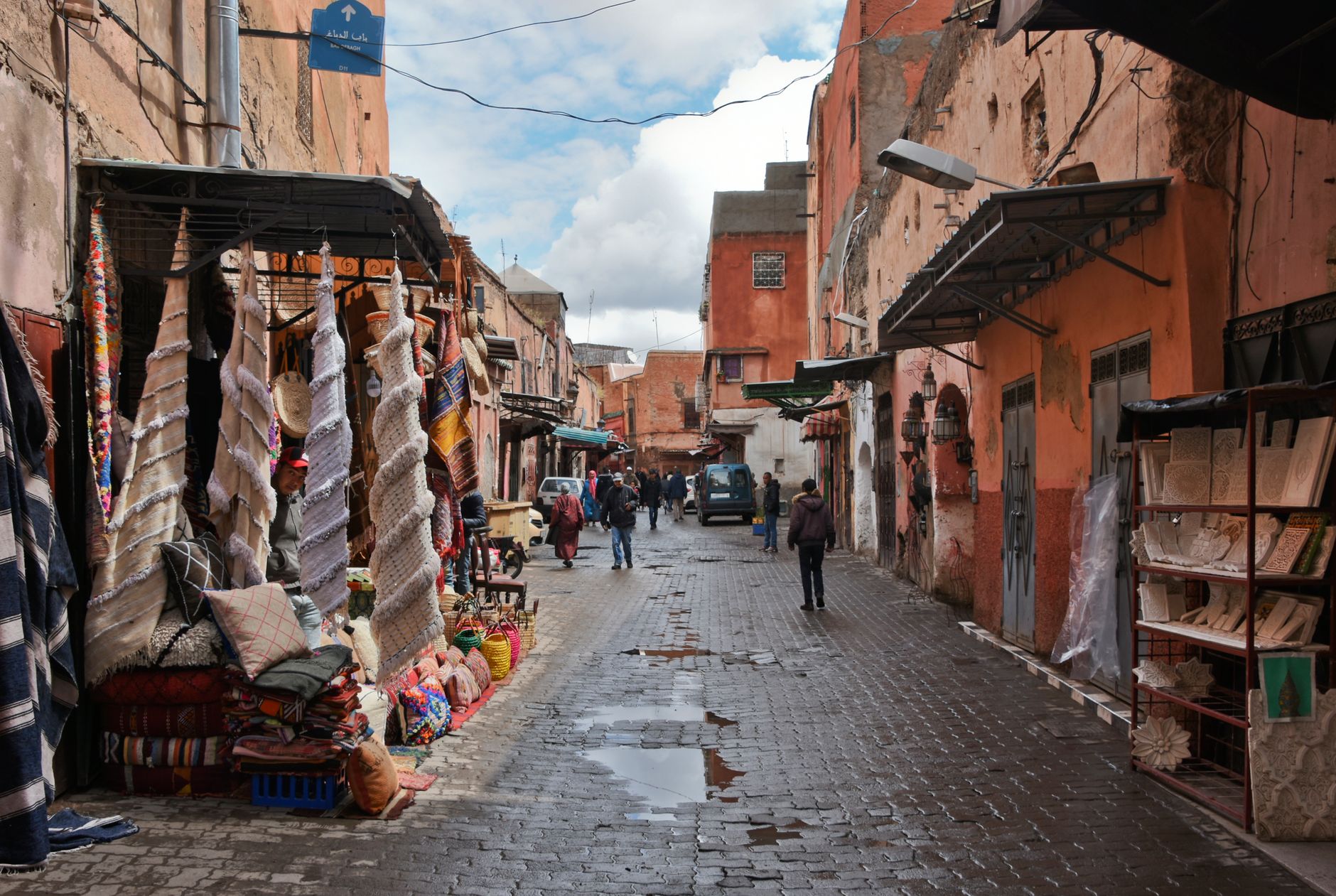
The first time I photographed the Marrakesh medina, in 2016, I behaved like an elephant. A 70-200 zoom, no eye contact, click, moving on. The spice seller chased me down twenty metres of alley and gave me a proper telling-off. I did not understand a single word, but his face translated fine. I have been back to Morocco thirteen times since, and I photograph it completely differently.
This is not a lecture about ethics. It is practical: learn a few rules and you get better pictures and fewer arguments. You also spend less money, because you stop paying the awkwardness tax that Jemaa el-Fna charges in dirhams.
Ask. Actually ask
The basic rule is simple. Before you photograph a person, ask. In Arabic, "mumkin sura?" works. In French, "je peux prendre une photo?" works even better — almost every shopkeeper in the cities speaks it, though in the Atlas villages far fewer do. A gesture works too: lift the camera, catch their eye, raise your eyebrows. They will nod or wave you off.
If they say no, that is a no. Not "no, but yes for twenty dirhams". People notice that calculation and it annoys them more than the camera did.
In the souks, roughly half the sellers are relaxed about it if you buy something first, or even just chat for a minute. You do not need to buy a rug. Half a kilo of dates for 30 dirhams, about 2.80 euros, turns you from a tourist with a lens into a customer.
When money changes hands, and how much
Paid photos are a normal part of the economy in tourist spots. It is not a scam, it is somebody's income. But keep realistic numbers in your head:
- Water sellers in Jemaa el-Fna: 10-20 dirhams, under 2 euros. They will ask for 100. Smile and offer 20.
- Snake charmers and monkey handlers: 20-50 dirhams. I skip the monkeys entirely — the animals are in poor shape.
- Craftsmen in Fes workshops: often free if you ask politely and linger. Leaving 10-20 dirhams is a decent gesture.
- Chouara tanneries in Fes: the terrace is officially free, but a boy hands you a sprig of mint and expects 20-30 dirhams. Pay it. The mint genuinely helps.
Carry small change. Hand over a 200-dirham note and nobody has change, and you end up paying five times the going rate. Before every medina morning I put ten or fifteen 10 and 20 dirham coins into a separate pocket.
Women, children, and places to keep the camera in the bag
I do not photograph women without explicit permission, and in conservative areas I rarely get it. Marrakesh and Essaouira are looser. In the Atlas villages or around Rissani I stopped trying altogether. When I shoot a market there, I frame so that no women's faces end up in shot. It sounds limiting. In practice it pushes you towards better compositions — hands, goods, shadows, texture.
Children are a trap. They are photogenic, they pose willingly, and then the hand comes out. Tourists taught them that, so it is not on them. If you want to photograph a child, ask the parent, who is always nearby.
Mosques in Morocco are closed to non-Muslims, with almost no exceptions. The Hassan II Mosque in Casablanca is the big one — a guided visit costs around 140 dirhams and photography is allowed. The courtyards of the Ben Youssef and Bou Inania madrasas are open and you can shoot freely. But if a door says muslims only, do not lean around it for a shot.
Drones: forget it. Morocco effectively bans them, customs officers look for them, and they will confiscate yours at the airport. I know two people whose drones were taken on arrival in Marrakesh and returned on departure after a stack of paperwork. Others never got them back.
A photographer who says hello before lifting the camera will bring home more good portraits in one week in Morocco than someone shooting from the hip for a month.
What actually photographs well
Places where etiquette is not the problem, because you are shooting architecture and light:
- Chefchaouen. The blue lanes. Go between 7:00 and 8:30, before the shops open and before the day buses arrive from Tangier. After nine there is a queue in front of every blue wall.
- Ait Ben Haddou. Late afternoon, when the mud brick goes gold. You cross the river on sandbags. Entry to the kasbah is around 20-30 dirhams and the view from the top earns it.
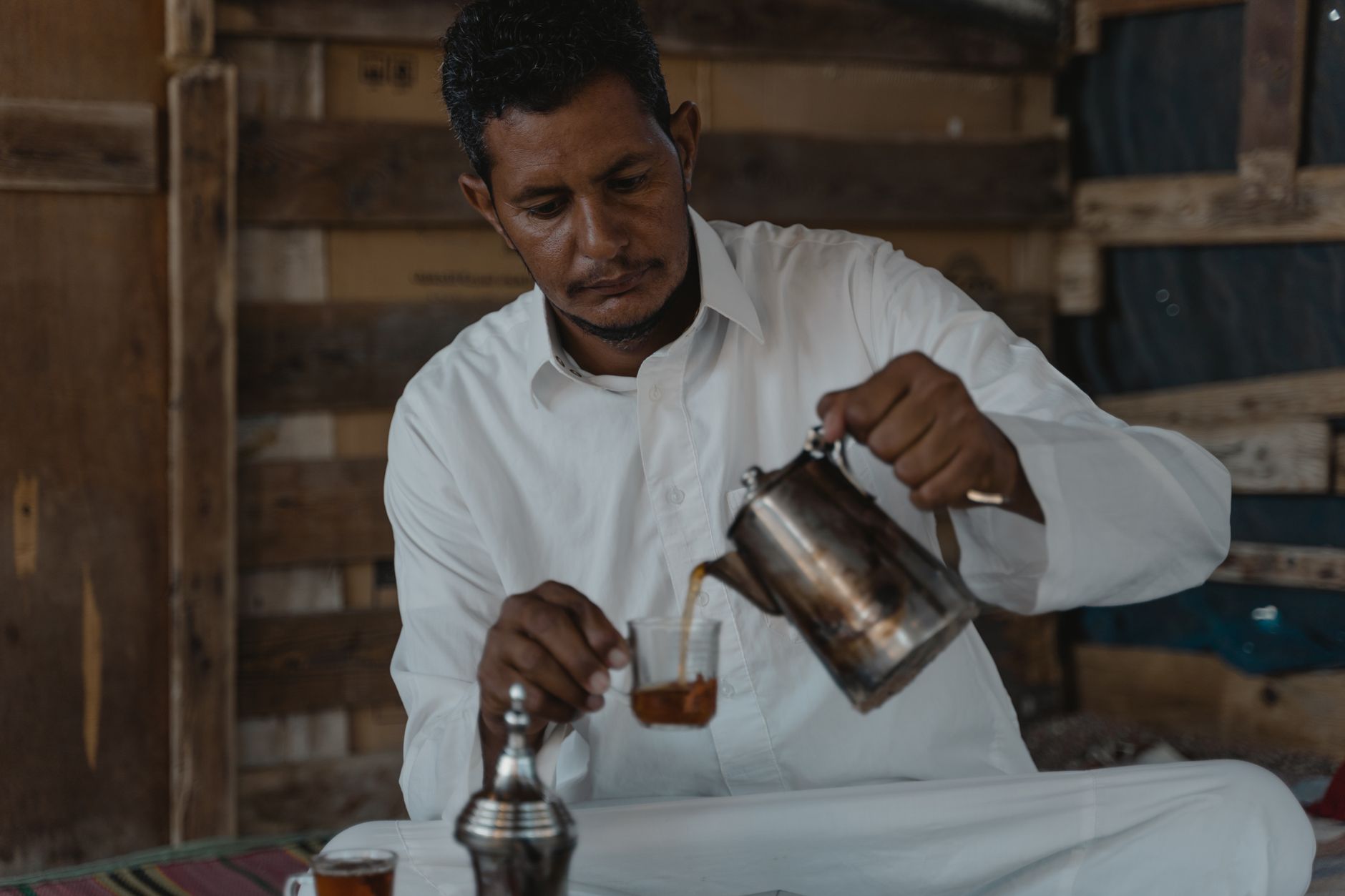
- Jemaa el-Fna after sunset. Do not shoot from inside the crowd. Get a cafe terrace — Cafe de France or Le Grand Balcon. A mint tea costs 25 dirhams and buys you an hour of calm above the grill smoke.
- The Fes tanneries. The coloured vats are a cliche and they still work. Afternoon light is kinder and the smell is marginally more bearable. Bring something to hold over your nose.
One last thing
My best photograph from Morocco happened because I sat down with a leather worker in Fes, drank tea for about forty minutes and talked broken French about football. Then he told me to photograph him at work. I did not ask, and I did not pay. That time was not lost — that time was the photograph.
We run our Morocco tours with a maximum of 16 people precisely so nobody has to sprint. Two free hours in the medina instead of twenty minutes changes what photography feels like. If Morocco is on your list, get in touch. We will even argue with you about which lens to bring.