

 By: Ivana Krišková
A few hundred travel insurance contracts pass through my desk in Turzovka every year. Most clients sign them without reading a line, because insurance is the boring thing you deal with somewhere between booking the flight and buying sunscreen. I get it. But after years of doing this, I know the difference between a 1.20 euro per day policy and a 3.50 euro per day policy shows up at exactly the moment you are least in the mood for it.
I am not trying to scare anyone. Most trips finish without anybody touching their policy. I just want you to know what you actually bought — and what you did not. What follows is the short version of the questions I get asked most often, plus one case that stuck with me.
Coverage limits: the number that decides everything
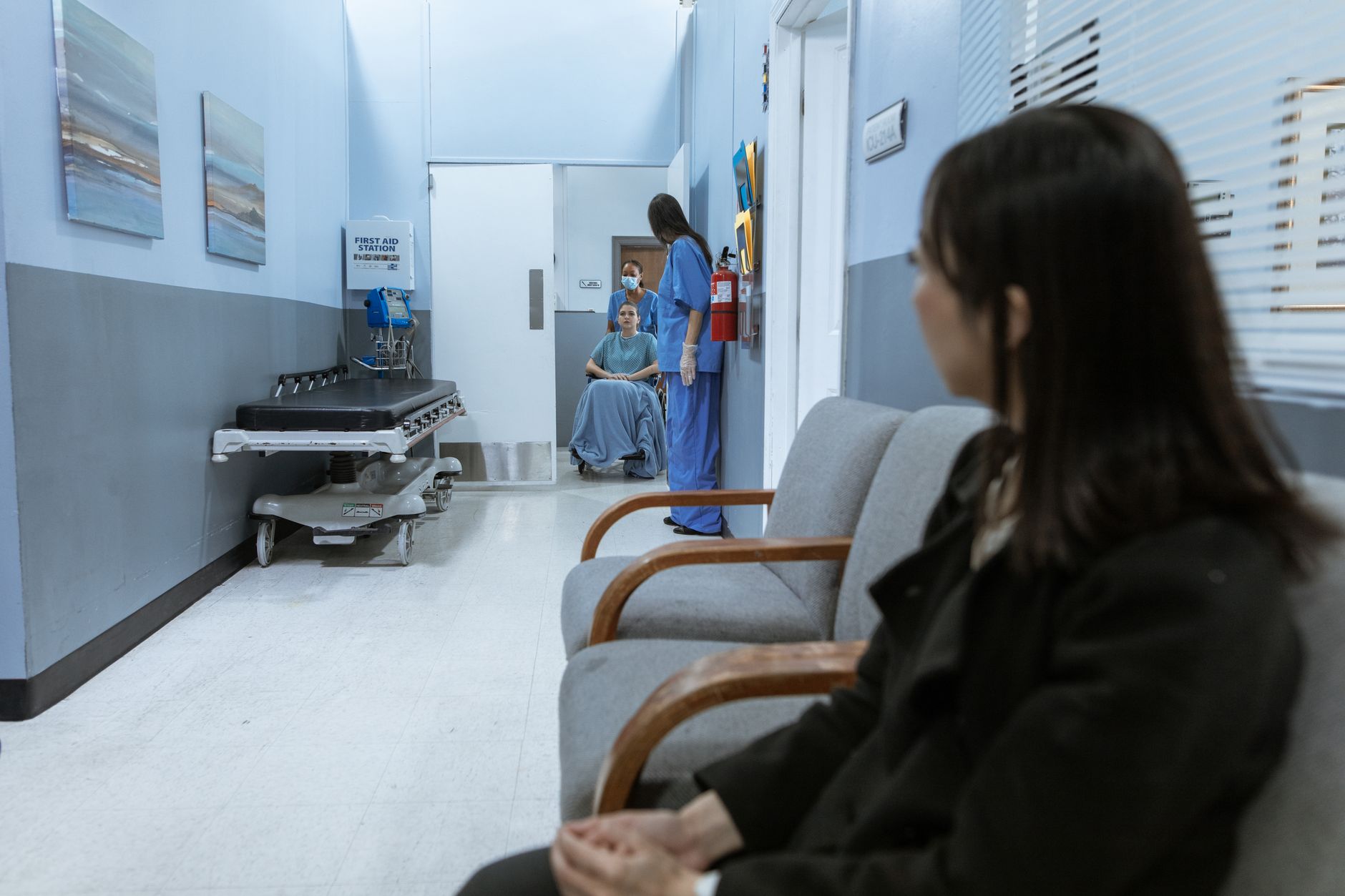
Medical costs are the heart of any policy. Cheap products are commonly sold with a limit of 30,000 or 50,000 euros. That sounds like plenty. It is not. One day in an Austrian intensive care unit runs around 2,000 to 3,000 euros. Repatriation by air ambulance from Egypt costs 15,000 to 25,000 euros; from the United States it can easily reach 60,000 and beyond. If you are heading to the US, Canada, Japan or Australia, anything under 200,000 euros is a gamble in my view. For our non-European tours we recommend policies with unlimited medical cover — the price difference is usually about one euro a day.
Check the sub-limits too. A policy can carry a beautiful 100,000 euro medical ceiling while capping dental treatment at 300 euros and repatriation of remains at 5,000, which is nowhere near enough. Those numbers live in the table of insured sums, not in the brochure.
Deductibles, and what an insurer will never pay
The deductible is the part you pay yourself. On luggage it is typically 30 to 50 euros; on cancellation cover it is usually 10 or 20 percent of the trip price. Cancel a 1,200 euro tour with a 20 percent deductible and you get 960 euros back. Zero-deductible cancellation products exist, cost roughly a third more, and are worth it on expensive trips.
Exclusions are the section nobody reads and everybody eventually pays for. The usual suspects:
- Alcohol and drugs. If alcohol shows up in your blood during treatment, the insurer can reduce or refuse the payout. You do not have to be flat on the floor — some policies only require a measurable amount.
- Risk sports. Standard cover includes hiking on marked trails. It does not include via ferrata, off-piste ski touring, diving below 10 metres, paragliding, or grade four rafting. A risk-sports add-on costs 0.50 to 1.50 euros a day.
- Chronic and pre-existing conditions. The most painful exclusion of all. Diabetes, heart disease, asthma, or anything serious you dealt with in recent months — complications of that diagnosis are simply not covered by a standard policy. Some insurers sell a chronic-condition rider, but you must ask for it and fill in a health questionnaire.
- Pregnancy past week 26, and childbirth almost always.
- Deliberate acts, brawls, driving without a licence.
The EHIC card is not insurance
The European Health Insurance Card is worth carrying. It covers necessary care in public facilities across the EU plus Norway, Iceland, Liechtenstein and Switzerland, on the same terms locals get. But locals in Austria and Croatia pay a co-payment. And the private clinic in Split where tourists usually end up is not a public facility. Crucially: the EHIC will not fly you home, will not pay for a broken leg at a private alpine clinic, and will not give you an assistance line that finds a hospital at 2 a.m. and translates what the doctor is saying.
What happened to Jozef
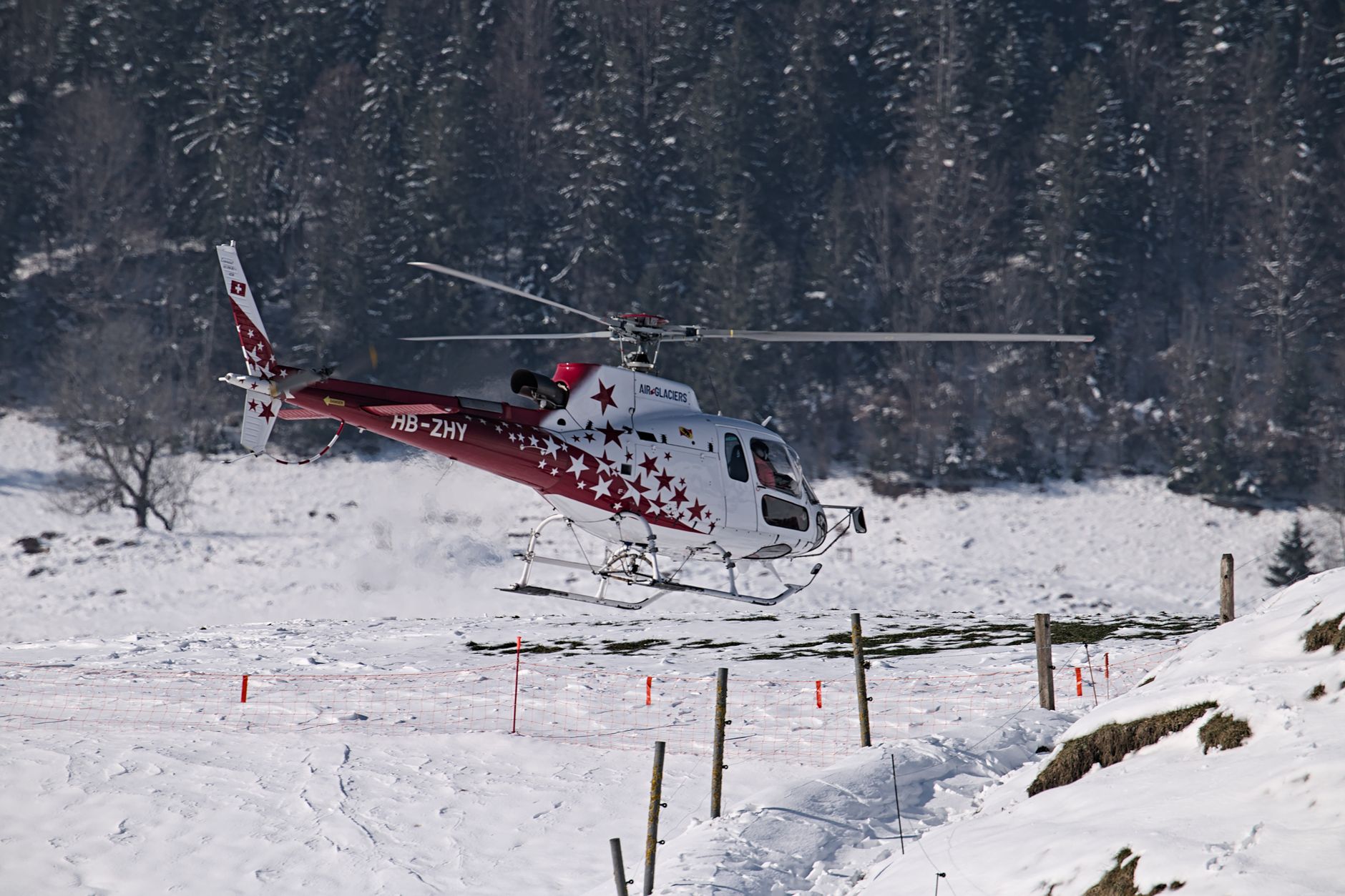
Two winters ago a group of ours went to the Dolomites. Jozef, 58, a confident skier, twisted his knee badly on an easy slope after a child cut across in front of him. Nothing dramatic, but he could not stand up. Mountain rescue took him down, an ambulance drove him to Bolzano, an MRI showed a torn ligament, and he came home in a brace.
The bill: 480 euros for mountain rescue, 1,340 for the hospital and scans, 190 for medication and crutches. Over 2,000 euros in total. He had the winter sports add-on, so the insurer paid everything but the deductible. The decisive part was that he phoned me from Bolzano before anyone started talking about payment, and I gave him the assistance line number. They settled it with the hospital directly. Had he paid by card and collected receipts afterwards, he would have waited months and lost part of it.
Your first call is never to your wife. Your first call is to the assistance line. Your wife comes second.
What to do when something goes wrong
- Call the insurer's assistance line — the number is on your card. It runs around the clock and answers in Slovak.
- Give them the policy number, your location and what happened. They approve the treatment and often pay the provider directly.
- Photograph and keep absolutely everything: medical report, invoices, prescriptions, police report in case of theft.
- For stolen luggage a police report is mandatory. Without it, the insurer pays nothing.
- File the claim within 30 days of returning, ideally online the same week.
Sort out cancellation cover on the day you pay your deposit — most insurers will not issue it more than seven days after you sign with the travel agency. It covers illness, injury, a death in the family, and often job loss or serious damage to your home. It does not cover changing your mind.
When you book a trip with us in Turzovka, I go through the policy with you in person and ask the awkward questions — medication, diagnoses, what you plan to do out there. Not out of curiosity. I want you holding a piece of paper that actually works.