
 By: Marek Bučko
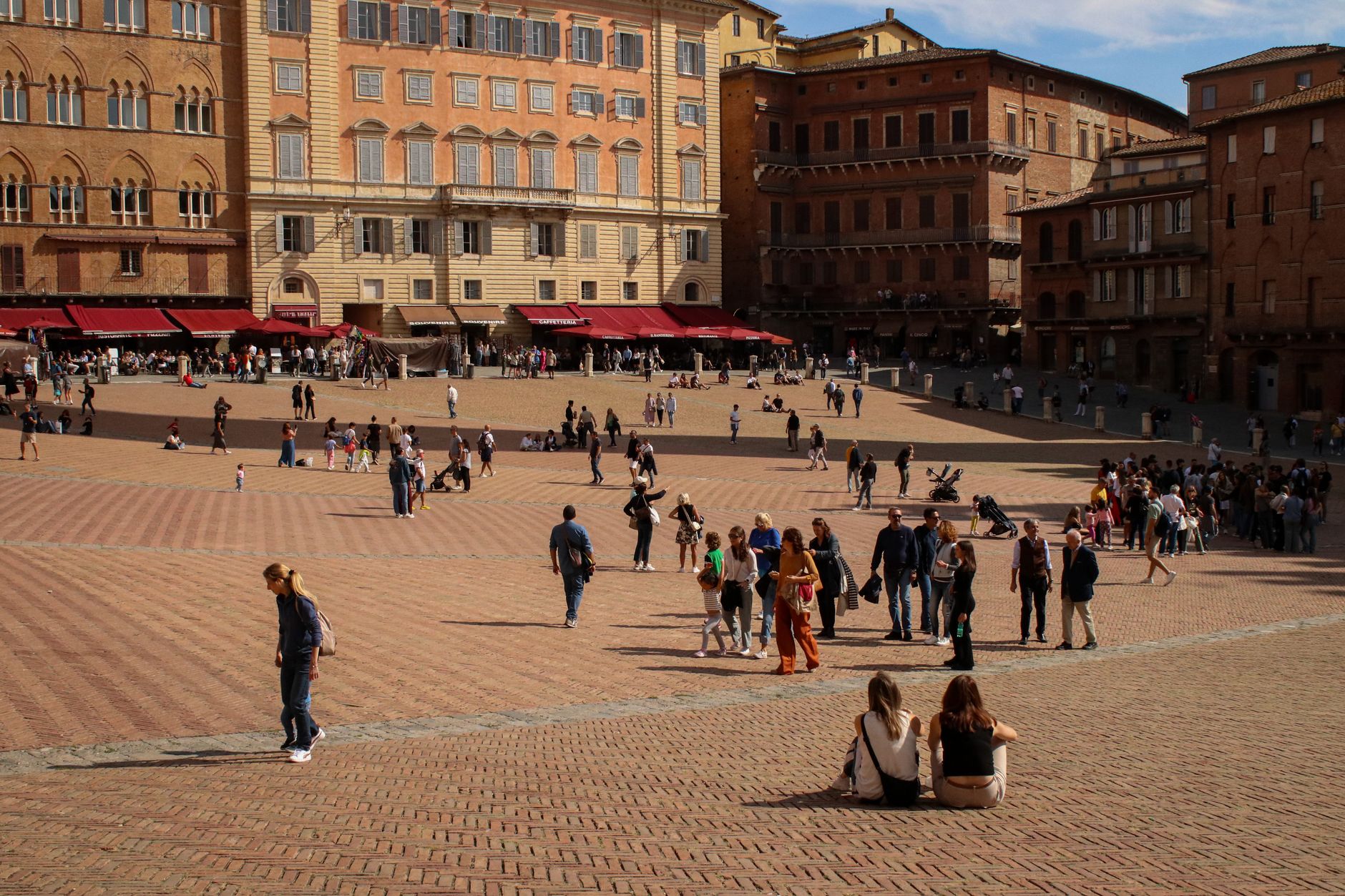
I led my first Tuscany tour in July 2011. It was 36 degrees on Piazza del Campo in Siena, people were packed into the shade under the Torre del Mangia like sardines, and one lady in our group fainted by the fountain. That was the day I decided there had to be a better way to do this. Since then I have taken groups to Tuscany in October and I have not gone back.
It is not only about the heat. October changes the character of the whole trip. What was a march between monuments becomes a journey through food, wine and a landscape that finally looks the way the painters saw it. It is not flawless, and I will be honest about that too. But given a choice, October wins.
Weather and prices: what actually changes
July in the Arno valley routinely means 34 to 37 degrees; September sits around 28. In October daytime temperatures run between 18 and 23, dropping to 10 or 12 after dark. You can walk all day without hiding in a doorway after an hour. It rains six to eight days a month, usually briefly and in the afternoon.
Prices fall sharply. An agriturismo near Montalcino charging 160 euros for a double room in August asks 85 to 100 in October. Flights to Pisa or Florence from Vienna or Krakow drop from 200 euros to somewhere between 60 and 90. Siena cathedral costs the same (16 euros with the Opa Si Pass) but you no longer queue an hour to get in.
- Siena – you can climb the Facciatone without booking, and after five in the afternoon the city belongs to locals rather than day-trippers.
- San Gimignano – either sleep there or arrive before ten. Midday is busy even in October, but by seven in the evening the towers are yours, and there is no queue for gelato at Dondoli.
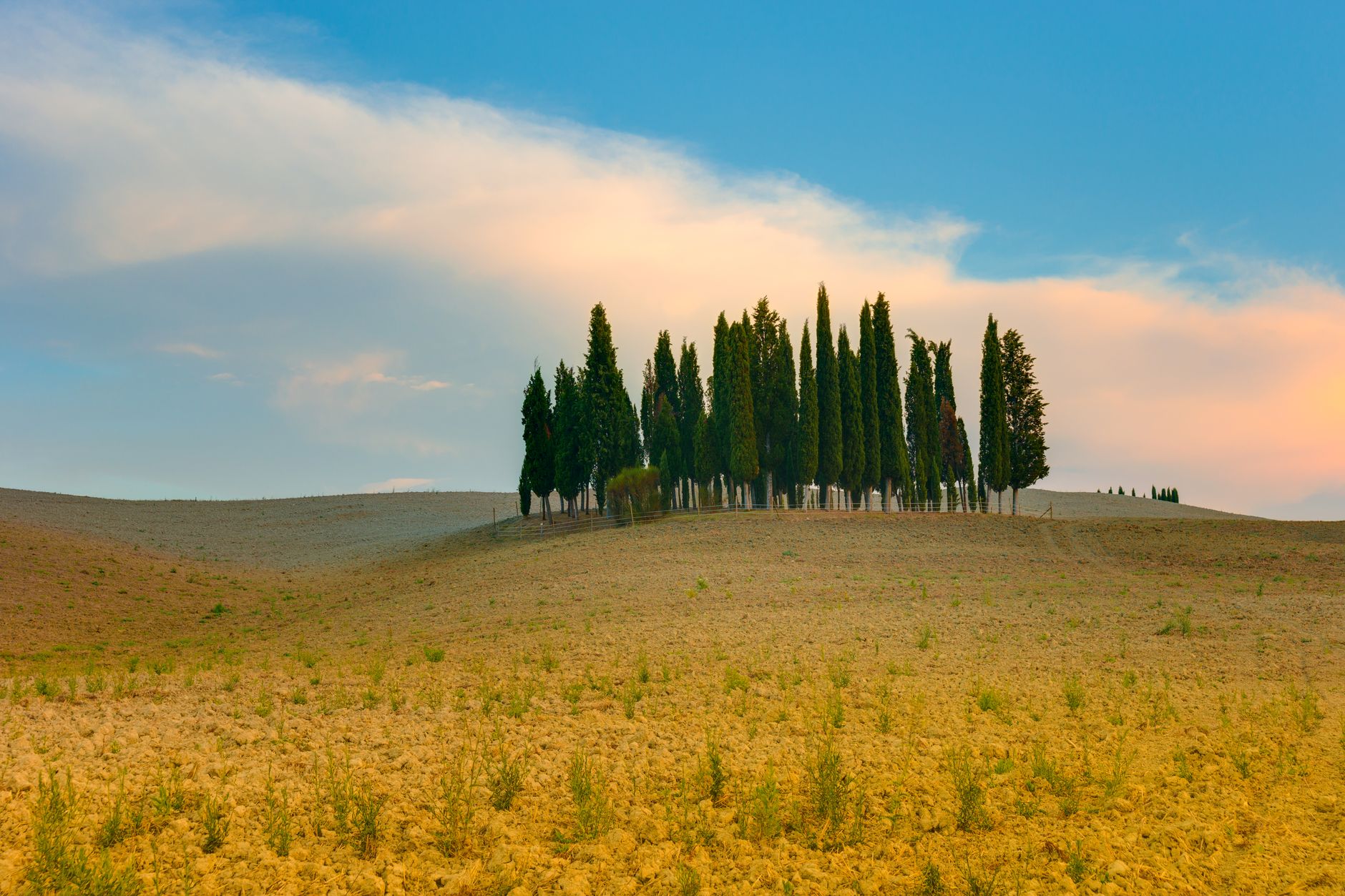
- Val d'Orcia – ploughed fields turn brown and morning mist hangs between the cypresses. The classic shot at Podere Belvedere near San Quirico works best around half past seven.
- Montepulciano and Montalcino – the wineries are open and the owners finally have time to talk. That is the difference between a tasting and a conversation.
Harvest, mushrooms and truffles
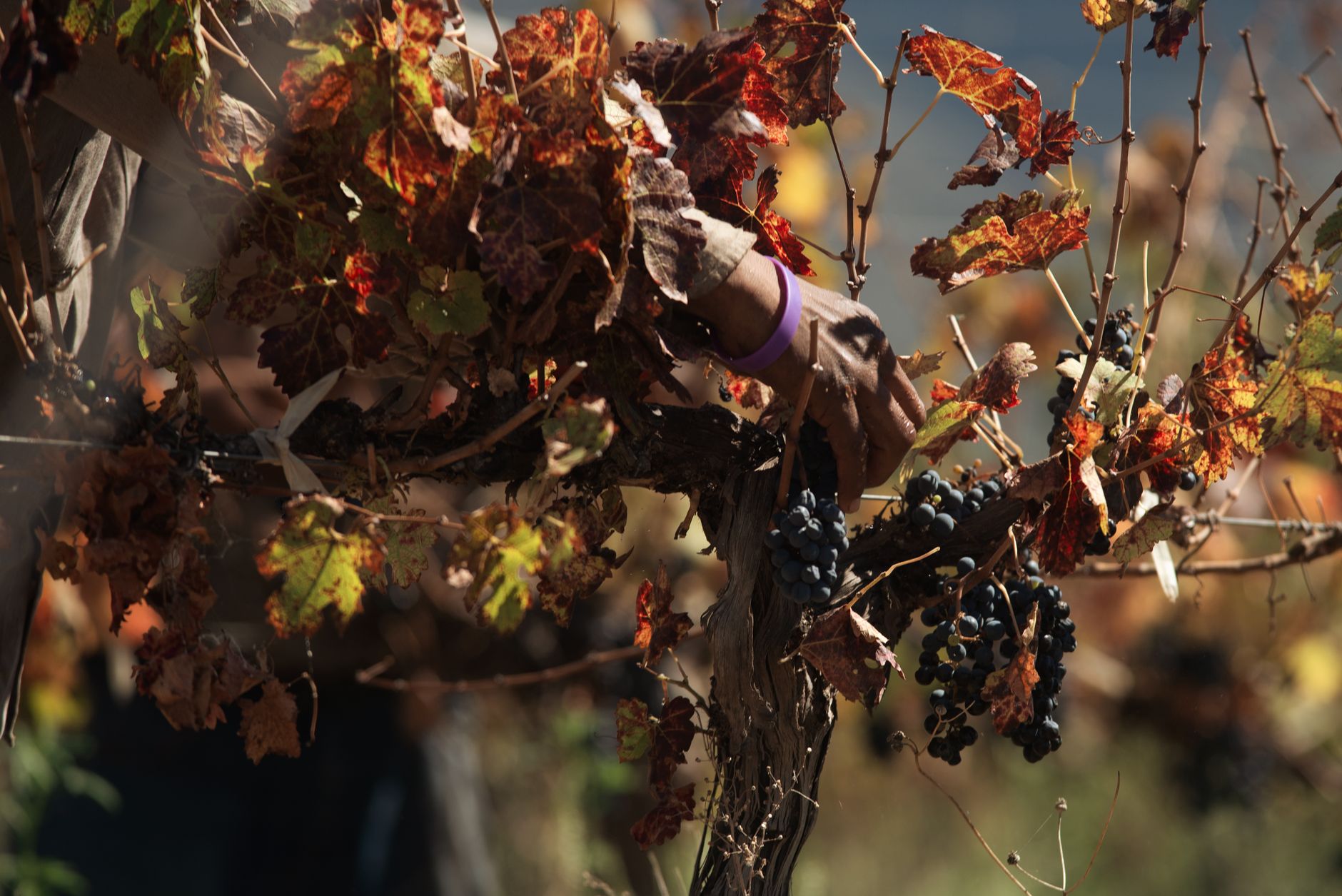
The vendemmia, the grape harvest, runs in Chianti and around Montalcino from roughly mid-September to mid-October depending on the vintage. It is not a tourist attraction, it is work, and that is exactly why it is worth seeing. Two years ago at Fattoria di Rignana near Greve they let us walk between the rows while they picked sangiovese, and Cosimo, the owner, explained why he leaves his fruit hanging ten days longer than his neighbours do. Five wines with bread and pecorino cost us 25 euros a head.
October is also mushroom season. Porcini grow in the Casentino and the woods around Vallombrosa, and tagliatelle ai funghi porcini appears on menus for 12 to 14 euros. Then there are truffles. The white truffle from San Miniato is the peak of the season; the festival falls on the last three weekends of November, but by October it is already on the plate. A plate of tagliolini shaved with white truffle runs 35 to 50 euros, and yes, that is a lot of money. Worth it once. Twice only if you are wealthy.
Tuscany in October is not more beautiful than in July. It is slower. That is precisely why we go.
The drawbacks nobody mentions
The days are short. By late October it gets dark around half past five, and earlier once the clocks change. Good for photographing the landscape, bad for the itinerary: you have two or three fewer hours of daylight than in July. So I plan two stops a day, not four.
Second, some smaller agriturismi and wineries close at the end of October until spring. I confirm opening hours a week ahead every single time, because the website says one thing and the owner says another. And the sea in the Maremma? Forget it. The water is 19 degrees and the beach bars are shuttered. If you want Tuscany with swimming, go in June.
The weather can also simply turn. In October 2023 it rained for three days straight and instead of Val d'Orcia we ended up in the thermal pools of Bagno Vignoni and a museum in Pienza. It turned into a good day. It was not the day we had planned.
How we run it
We take sixteen people at most, in a minibus, with one Slovak guide. That means we fit into a winery courtyard where a coach cannot go, and we sit down to lunch at a single table. We stay in one place for four nights and drive out from there, so nobody repacks a suitcase every other day.
Our departure usually falls in the first half of the month, when it is still warm and the harvest is in full swing. The rest we can sort out by email, and I am happy to tell you the things that are not printed in the programme.